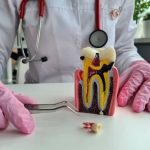
What to expect when you’re told you need root canal therapy in Leduc. It is normal to feel a little anxious. However, a root canal procedure is a relatively simple treatment to eliminate infection, relieve pain, and save your natural tooth. Getting a grasp on the basics can make the whole experience feel a lot easier.
A root canal happens when the pulp in your tooth gets infected or damaged. Knowing the general steps can make it less stressful. Following the previous statement, it is logical to add that a dentist in Leduc will help you feel confident and comfortable. The professional will take the time to explain what’s happening at every stage of the procedure to you.
What to Expect During and After a Root Canal Treatment: Step by Step
A root canal dental procedure can take one or two visits based on the state of your tooth. Here’s what usually happens.
1. Numbing the Tooth
Your dentist gently numbs the area so you feel comfortable. Most people will be surprised that it feels just like having a filling.
2. Cleaning the Infection
A tiny hole is made in the tooth, and the pulp is taken out and cleaned. This technique stops the pain at its source.
3. Shaping the Canals
The tooth’s canals are cleaned and shaped for proper filling of the affected tooth.
4. Filling the Canals
The spaces that have been cleaned are packed with a safe material so no infections occur again.
5. Placing a Temporary or Permanent Filling
Your tooth will be sealed. In the future, a crown may be suggested to fully protect the tooth.
This step-wise procedure helps in keeping the treated tooth strong and functional for many years.
Does a Root Canal Hurt During or After the Procedure?
Patients frequently stress about pain. Our experienced endodontists perform root canals therapy in Leduc to a very high standard. The numbing process prevents pain during the treatment.
After the procedure:
- Mild soreness is normal
- You may feel pressure for a day or two
- Over-the-counter pain relievers usually help
- Avoid chewing on that side until fully healed
Discomfort should slowly get better, not worse. If the pain becomes worse after a few days, contact the dentist near you.
What to Expect During Root Canal Recovery Week by Week
Everybody’s healing timeline is different, but here is the simplified breakdown.
Week 1
- Mild soreness
- Sensitivity when chewing
- Soft foods are recommended
Week 2
- Most discomfort fades
- The tooth may still feel slightly tender
- You can return to normal brushing habits
Week 3 and Beyond
- Your dentist may place a crown
- The tooth should feel stable
- You can eat normally again
If you follow your dentist’s orders, you will heal well.
Dentist Explains What to Expect During and After a Root Canal
A root canal helps you avoid a tooth extraction and gives you pain relief. A dentist will explain.
- Why did the infection happen
- How the treatment saves your tooth
- What symptoms to expect during healing
- How to care for the area afterward
You feel more at ease and less overwhelmed once you learn what to expect during each stage.
How to Take Care of Your Tooth After the Procedure
Great aftercare can be the main factor of your recovery. Below are some simple tips that you can follow:
Do:
- Eat soft foods for the first several days
- Brush gently around the place
- Take pain medicine if it is recommended
- Don’t forget to keep up with your follow-up appointments
Don’t:
- Very hot or very cold foods
- Hard or crunchy foods
- Chewing on the treated tooth until a crown is placed
- Not taking your prescribed antibiotics
These activities lead to the protection of your tooth and the acceleration of the healing process.
Protect Your Tooth With Trusted, Gentle Care!
Are you ready to save your tooth and relieve the pain? Keep your smile safe with a gentle and professional treatment. Schedule an appointment with Beyond Dental and be the first to enjoy a calm root canal treatment!
FAQs
- How long does a root canal appointment take?
It takes about 60 to 90 minutes to do a root canal for most teeth.
- Can I drive after a root canal?
After the numbing, yes, you can drive because it will not affect your nifty to do so.
- Will I need a crown after the treatment?
Often, yes. A crown helps protect the tooth so it doesn’t break later.
- How long does recovery usually last?
People are back to normal within a week, but the healing takes longer.