Can teeth whitening make your teeth completely white? Many patients visiting a dental clinic in Leduc ask this question when considering whitening treatment. The results depend on factors such as natural tooth colour, age, enamel thickness, and the type of stains on the teeth. Teeth whitening can help remove stains and brighten the smile, but results may vary from person to person.
Understanding what teeth whitening is and how it works can help patients set realistic expectations before starting treatment.
What Is Teeth Whitening and How Does It Work?
Teeth whitening is a cosmetic dental treatment that helps reduce stains and lighten tooth colour. Professional whitening products usually contain ingredients such as hydrogen peroxide or carbamide peroxide. These ingredients help break down stain particles on the tooth surface.
Teeth can become darker over time because of:
- Coffee and tea
- Red wine
- Tobacco use
- Certain foods
- Aging
- Poor oral hygiene
Whitening treatments do not change the natural structure of teeth. Instead, they help improve the appearance of stains and discolouration.
Can Teeth Become Completely White?
Not every smile can become paper-white or extremely bright. Teeth naturally vary in shade, and some people have slightly darker enamel than others.
The final result depends on:
| Factor | How It Affects Whitening |
| Natural tooth colour | Some teeth whiten more easily |
| Type of stains | Surface stains respond better |
| Age | Older teeth may appear darker |
| Enamel thickness | Thin enamel can affect brightness |
| Existing dental work | Crowns and fillings do not whiten |
Professional whitening can often brighten teeth several shades, but results vary from patient to patient.
Which Stains Respond Best to Whitening?
Some stains respond better than others.
Surface Stains
Food, drinks, or smoking often cause surface stains. These stains usually respond well to whitening treatments.
Common causes include:
- Coffee
- Tea
- Soda
- Red wine
- Tobacco
- Deep Stains
Some stains are deeper inside the tooth and may be harder to lighten. These can happen because of:
- Aging
- Certain medications
- Tooth injury
- Excess fluoride exposure during childhood
A dental examination helps determine whether whitening is likely to improve the appearance of these stains.
How Long Do Whitening Results Last?
Teeth whitening results do not last forever. Over time, teeth can become stained again, especially from foods, drinks, or smoking.
To help keep teeth whiter for longer, you can:
- Brush your teeth twice a day.
- Floss every day
- Drink water after coffee, tea, or other dark drinks.
- Avoid tobacco products
- Visit the dental clinic near you for regular cleanings.
- Use a straw when drinking staining beverages if possible.
These simple habits can help slow down new stains on the teeth.
Are Professional Whitening Treatments Stronger Than Home Remedies?
Many people try natural ways to whiten their teeth at home before choosing professional treatment. Some home methods may help remove light surface stains, but they usually do not whiten teeth as much as professional treatments.
Common Home Methods Include:
- Baking soda toothpaste
- Whitening strips
- Oil pulling
- Whitening mouth rinses
These methods may help with small stains, but using rough whitening products too often can damage tooth enamel over time.
Professional Whitening
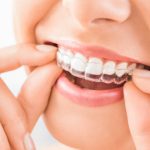
Professional whitening treatments are designed to brighten teeth more safely and evenly under a dentist’s supervision. Before treatment, the dentist checks the health of the teeth and gums to make sure whitening is a good option.
Many people considering teeth whitening in Leduc choose professional treatment because it can deliver more noticeable, controlled results.
Does Whitening Work on Crowns or Fillings?
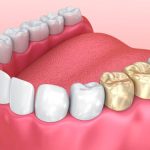
Whitening products work on natural teeth, but they do not change the colour of:
- Crowns
- Fillings
- Veneers
- Bonding materials
If dental restorations are visible on the front teeth, patients may need to discuss colour-matching options with their dental team after whitening.
Can Teeth Whitening Cause Sensitivity?
Some people may have temporary tooth sensitivity after whitening treatment. This happens because whitening products can temporarily make the teeth more sensitive.
Sensitivity may feel like:
- Sharp pain when eating or drinking something cold
- Mild discomfort with hot drinks
- Temporary tooth sensitivity
These effects are usually temporary. Dentists may recommend products or techniques to help reduce discomfort if needed.
How Can Patients Maintain Whitening Results?
If you are looking for teeth whitening near you, you may wonder how to keep your smile brighter after treatment.
Daily habits can make a difference.
Helpful Tips:
- Brush after meals when possible.
- Reduce dark-coloured drinks
- Avoid smoking or using tobacco products.
- Visit the dentist for regular cleanings.
- Follow the aftercare instructions given by the dental team.
Good oral care helps reduce plaque and surface stains that can make teeth look dull.
Looking for Professional Teeth Whitening Care?
Teeth whitening can help improve the appearance of stained or dull teeth, but the final shade depends on natural tooth colour, enamel condition, and the type of stains present. Patients considering teeth whitening in Leduc can book an appointment with Alpha Dental Health Centre to learn which whitening option best fits their oral health needs.
FAQs
How many shades whiter can teeth become?
Results vary for each person. Some patients notice a small improvement, while others see their teeth brighten by several shades.
How long does professional whitening take?
Some in-clinic treatments may take about one appointment, while take-home options may require several days or weeks.
Can yellow teeth become white again?
Many yellow stains can improve with whitening treatment, especially surface stains caused by food or drinks.
Is whitening safe for sensitive teeth?
Patients with sensitive teeth should speak with a dental professional before whitening. A customized approach may reduce discomfort.