How can a dental crown make your bite easier to manage? People who are considering dental crowns in Leduc are often curious about how the procedure will affect their teeth when chewing and talking. A crown is a protective cover placed on a tooth. Moreover, it helps balance the bite so the mouth functions better.
When a tooth is damaged, it can affect how all the teeth come together. A crown helps rebuild that tooth so it fits naturally with the rest of the bite again, improving both comfort and function.
What is a Dental Crown?
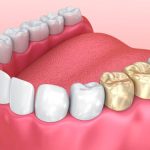
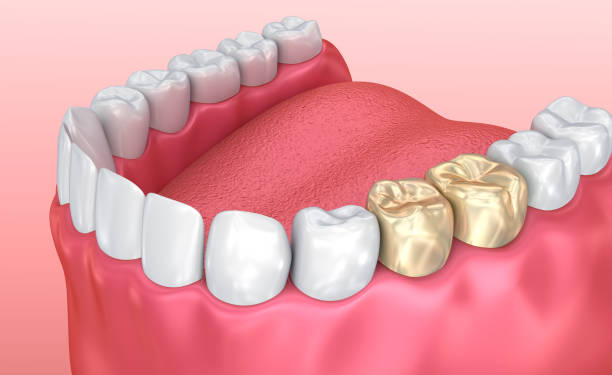
A dental crown is a custom-made cap that is placed over a damaged or weakened tooth. It restores the tooth’s shape, size, and strength so it can work like a natural tooth again.
Crowns are commonly used for:
- Teeth with large fillings that have become weak
- Cracked or broken teeth
- Teeth treated with root canal therapy.
- Teeth worn down from grinding.
- Teeth that need structural support
Once placed, the crown helps protect the tooth and allows it to handle normal chewing pressure.
Why is Bite Balance Important?
When the mouth closes, the upper and lower teeth meet evenly; this is called a balanced bite. A tooth’s balance may become affected when it is injured, broken, or has missing tooth structure.
An unbalanced bite could cause.
- Extra strain on some teeth
- Pain while eating
- Nearby teeth show signs of wear.
- In some cases, a mild strain on the jaws.
When a tooth is restored with a crown, the bite can often return to a more natural, stable position.
How a Dental Crown Affects Your Bite
How a dental crown affects your bite becomes clear once the tooth is restored to its proper shape and height. The crown helps the teeth come together more evenly, reducing strain during chewing.
A crown can help by:
- Restoring proper tooth height
- Improving how the upper and lower teeth meet
- Spreading the chewing force more evenly
- Reducing stress on weak or damaged teeth
This helps create a smoother and more comfortable bite over time.
What to Expect Right After Getting a Crown
After receiving a crown from a dentist in Leduc, it is normal for the mouth to feel slightly different. The new surface may take time to feel completely natural.
Patients may notice:
- Mild sensitivity when biting
- Awareness of the new tooth shape
- Slight changes in the chewing feel.
- Gradual improvement over a few days or weeks
These sensations usually reduce as the mouth adjusts.
How Long Do Crowns Take to Feel Natural?
How long it takes for crowns to feel natural varies from person to person. Most patients adjust within a short period, often within a few days to a couple of weeks.
During this time:
- The bite slowly feels more balanced.
- Chewing becomes more comfortable.
- Sensitivity reduces gradually
- The crown starts to feel like a natural tooth.
If discomfort continues longer than expected, a dental adjustment may be needed.
Why Comfort Improves After a Crown
Comfort improves because the crown strengthens a weakened tooth. Instead of uneven surfaces or weak areas, the tooth now has a smooth and stable structure.
This leads to:
- Easier chewing
- Less pressure on surrounding teeth
- Improved stability when biting
- Reduced sensitivity in some cases
Over time, this helps the entire bite feel more natural.
How to Care for a Dental Crown
Caring for a dental crown is important for keeping it strong and long-lasting. Even though the crown itself cannot decay, the natural tooth underneath still needs protection.
Simple care steps include:
- Brushing your teeth two times a day with a soft toothbrush
- Gently flossing around the crown.
- .Avoiding very hard or sticky foods
- Going for regular dental checkups
- Keeping good daily oral care habits
Good care helps the crown last longer and also protects the nearby teeth.
Benefits of Dental Crowns
Dental crowns near you offer both functional and protective benefits for damaged teeth.
Key benefits include:
- Improved chewing strength
- Better bite alignment
- Protection for weak teeth
- Natural appearance
- Long-term support for damaged teeth
These benefits help restore normal daily function.
When a Crown May Be Needed
A crown is often recommended when a tooth is too weak or severely damaged for a filling alone.
It may be needed in cases like:
- Large cavities
- Cracked teeth
- After a root canal treatment
- Very worn-down teeth
- Damage that affects chewing
If you visit a dentist near you, they can check your tooth and tell you if a crown is the right option.
Ready to Restore Comfort and Strength to Your Bite?
The purpose of a dental crown is to help restore the bite so that chewing is comfortable. Furthermore, it must protect weakened teeth. With time and care, it becomes a natural, stable part of the smile. For comprehensive treatment planning or personalized restorative dental care, visit Alpha Dental Health Centre and take the next step toward a healthier, more comfortable smile.
FAQs
Can a crown help you chew better?
Definitely, a dental crown restores strength and proper balance to the tooth, and chewing becomes much easier and more comfortable over time.
Will a crown change my bite?
A crown can help improve bite alignment by restoring the tooth’s original shape and height so the upper and lower teeth fit together more naturally.
Is it common to experience pain in a crown?
Indeed, it’s common to experience gentle discomfort or sensitivity for a few days. The mouth adjustment to the new crown usually alleviates it.
Can I eat normally with a crown?
Now that you have a crown, can you eat normal food? For the most part, yes. But, it’s advised to skip very hard or sticky food in the early days.